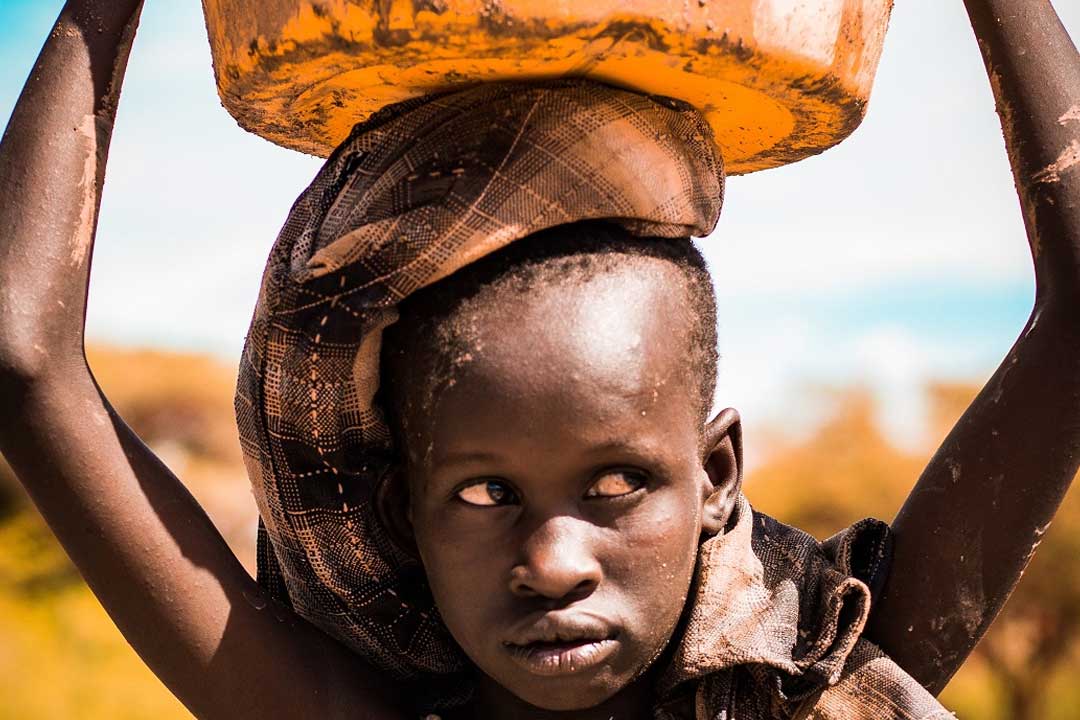
Platform for Labour Action (PLA) is a National Civil Society Organization that was founded in the year 2000. PLA is focused on promoting and protecting the rights of vulnerable and marginalized workers through empowerment of communities and individuals in Uganda.
21,463
Lives impacted
22
years of service
Our impact; stories of change
- Details
- Category: Blog
In 2000, at a time when Uganda’s legal landscape had little space for domestic workers or children exploited in labour, a young lawyer named Lillian Keene Mugerwa dared to ask the hard questions. Who was speaking for the food sellers, the market women, the security guards, and the house helps? And what justice existed for children trapped in work instead of school?
- Details
- Category: Blog
Rape figuratively refers to the sexual intercourse that is non-consensual (not agreed upon), or the act of forcing another person to have sex against their will and/or consent. While the names, times and contexts may differ, men, boys, women and girls of the different age divide across the world experience rape. This despondently happens in both the peaceful and violent settings and is overtly executed by strangers, friends and sometimes family members.
And whereas rape is shunned, unacceptable and regarded as one of the felony offences (those among the most serious crimes committed), multiple studies show that the media as well as the general public universally have continued to consciously or subconsciously sexualize it.
Could it be because it is the women who mostly fall victim to this brutal and undeservedly behavior or are the statistics of the reported cases further marginalized by the fact that most of the victims are closest and dear to the Mother Nature.
As the world prepares to commemorate the 16 Days of Activism against Gender-Based Violence, from 25 November to 10 December 2019, under the global theme, Ending GBV in the World of Work” Ugandans should explore practical means to fight this silent epidemic with the contempt it deserves.
According to the recent Uganda Police Force’s Annual Crime Report, Gender-Based violence cases that were reported and investigated increased by 4% (from 38,651 to 40,258 cases) between 2015 and 2016.
In addition, the Uganda Demographic and Health Survey 2016 revealed that up to 22% of women aged 15 to 49 in the country had experienced some form of sexual violence. Also the report further revealed that each year, 13% of women aged between 15 to 49 experience sexual violence. This translates to more than 1 million women exposed to sexual violence annually which also includes rape. Furthermore, the phenomenon of the children having sex with fellow children has also not been addressed and yet it predisposes many of these them to diseases, early marriages and deaths, threatening their development opportunities.
However, what ought to be of concern as Ugandans should not be limited to the above statistics that solitary reflectthe authoritatively reported and investigatedcases but instead our attention to detail should be directed to the countless cases and the scores of victims that are either shy away or are intimidated against reporting their predicament of this shameful act. How about the cost and the permanent socialand the psychologicaleffects to the victims that interface with this ugly act?
And this should also be in cognizant of the fact that as much as the country has some laws in place such as the Penal Code (Amendment) Act 2007, the Domestic Violence Act 2010, to deal with the perpetrators, their enforcement has been to less fruition and sometimes that have failed to primarily address the key aspects of violence against women, later on its adverse effects and yet corroboration of evidence in these matters has also remained futile over the years.
In the recent past, the few times the debate to criminalize rape made its way through the public domain or on the floor of Parliament, the women have ended up being victimized and the debates habitually soiled with multiple accusations and all sorts of allegations of the subtle intentions of the women to deny their male counterparts sex, as if the denial is only the preserve of the men.
The debate on the Marriage and Divorce Bill, 2009 was also prematurely halted in the 9th Parliament in a bid to avert the negative stigma it had attracted and yet the Bill only seeks to consolidate the laws relating to the celebration and dissolution of marriage in Uganda. But the fact that the Bill also sought to address issues to do with marital rape, it has ended up where it is today due to the apprehensive rhetoric that was developed against it mostly by our male counterparts.
Another Bill that has failed to see the light of day; including having been thrown out of business to follow in the 10th Parliament is the Sexual Offences Bill 2019, formerly, tabled in 2013. Like the latter, this Bill also seeks to consolidate all laws related to the sex offences. However, since it carries provisions that relate to rape, aggravated defilement, sexual harassment among other issues, this Bill has also faced similar and untimely demonization which is atypical whenever any debate related to rape and defilement comes about in this country.
Should we continue to hide our heads in the sand and remain subtle and devoid of the fact that rape is committed in our homes, workplaces, places of worship and in the unthinkable places or shouldn’t we stand out and fight to see to it that this ‘big elephant’ ; is and condemned and fought with bare knuckles? This is over to you my fellow activists, duty bearers and the government of Uganda.
The writer is Betty Iyamuremye-Communications Officer-Platform for Labour Action
- Details
- Category: Blog
Every day, thousands of Ugandans leave their homes some moving from rural communities to urban centers, others crossing borders in search of better opportunities. For many, labour migration represents hope: a chance to earn, to support families, and to build a better future. Yet, for too many, this dream is cut short by exploitation, unsafe working conditions, and broken promises.
For 25 years, Platform for Labour Action (PLA) has stood at the frontline of protecting and defending Uganda’s workers, with migrant workers at the heart of its interventions. PLA believes no worker should ever have to choose between survival and dignity and for a quarter century, it has worked to ensure rights, justice, and protection for those often silenced or forgotten.
Monica’s Journey: From Migrant Worker to Advocate
The story of Kebirungi Monica, a returnee and now a Social Protection Volunteer at PLA, reveals both the struggles and resilience of Ugandan migrant workers.
“My name is Kebirungi Monica, a former migrant worker. I once worked as a personal assistant in Saudi Arabia. Unfortunately, I could not complete my contract due to health complications. When I returned home, I faced so many challenges struggling with my health and also struggling to find a new direction for my life. It was one of the hardest times I have ever faced.” – Monica
Her experience reflects the reality faced by many Ugandan women abroad, where cases of exploitation and even sexual abuse have been reported in the media, including recent BBC coverage.
Yet Monica’s story did not end in despair. Through PLA’s reintegration support and empowerment programs, she found a way to rebuild her life and use her voice to help others.
“PLA gave me training and an opportunity to serve as a Social Protection Volunteer. This role has given me more skills as a social worker, more confidence, and more opportunities to help others in the community. I now guide people on correct migration procedures, on how to do due diligence, and on the importance of reporting suspicious or illegal recruitment practices.” – Monica
25 Years of Standing With Workers
PLA’s legacy over the last 25 years is one of impact, consistency, and courage. From Kampala to rural districts, and from grassroots communities to national and international policy spaces, PLA has positioned itself as a trusted defender of workers’ rights.
For migrant workers, PLA’s work has been especially transformative:
- Raising Awareness: Using community dialogues, radio, social media and TV platforms, PLA educates workers and families about safe migration, labour rights, and available protection services.
- Legal Aid and Justice: PLA provides legal representation, mediation, and psychosocial support for migrant workers in distress.
- Reintegration and Livelihoods: PLA ensures that returnees like Monica are not abandoned. Instead, they are connected to opportunities for skills development, psychosocial support, and entrepreneurship so that returning home becomes a chance to rebuild, not a dead end.
- Policy and Advocacy: As a member of the National Coordination Mechanism on Migration and the National Task Force on Trafficking in Persons, PLA influences policies that strengthen protection frameworks for Uganda’s migrant workers.
Why This Work Matters
Labour migration is not simply about movement; it is about people, their aspirations, and their dignity. For 25 years, PLA has been the voice ensuring that migration is not a path to exploitation but a pathway to empowerment.
Monica, now an advocate in her community, embodies this mission.
“I have been able to help returnees know about the support programs available for them. I also speak with young people who want to travel abroad. I tell them: make sure you do your research, make sure the company is safe, and do not be rushed into risky decisions. Sadly, I have met many people who did not do due diligence and are now suffering some exploited, some trapped, and some who may never return.” – Monica
Her voice is a reminder that every migrant worker matters -their rights, their dignity, and their dreams deserve protection.
A Call to Action
As PLA celebrates 25 years of tireless advocacy, it renews its commitment to Uganda’s workers especially migrant workers whose struggles too often remain invisible.
“To the community and to every returnee out there: continue to chase your dreams. And for those planning to travel, please do your due diligence. If you are struggling, remember there are support networks like PLA where you can find legal aid and reintegration support.” – Monica
For 25 years, PLA has proven that migration can be safe, fair, and dignified. With greater support, it can continue transforming the lives of thousands more workers like Monica.
Authored by Angella Asiimwe, Consulting Blogger under Voice Consults
Hashtag: #PLAat25
Latest from our blog